MLS Search That Feels Local
Why Market-Specific Property Search Matters
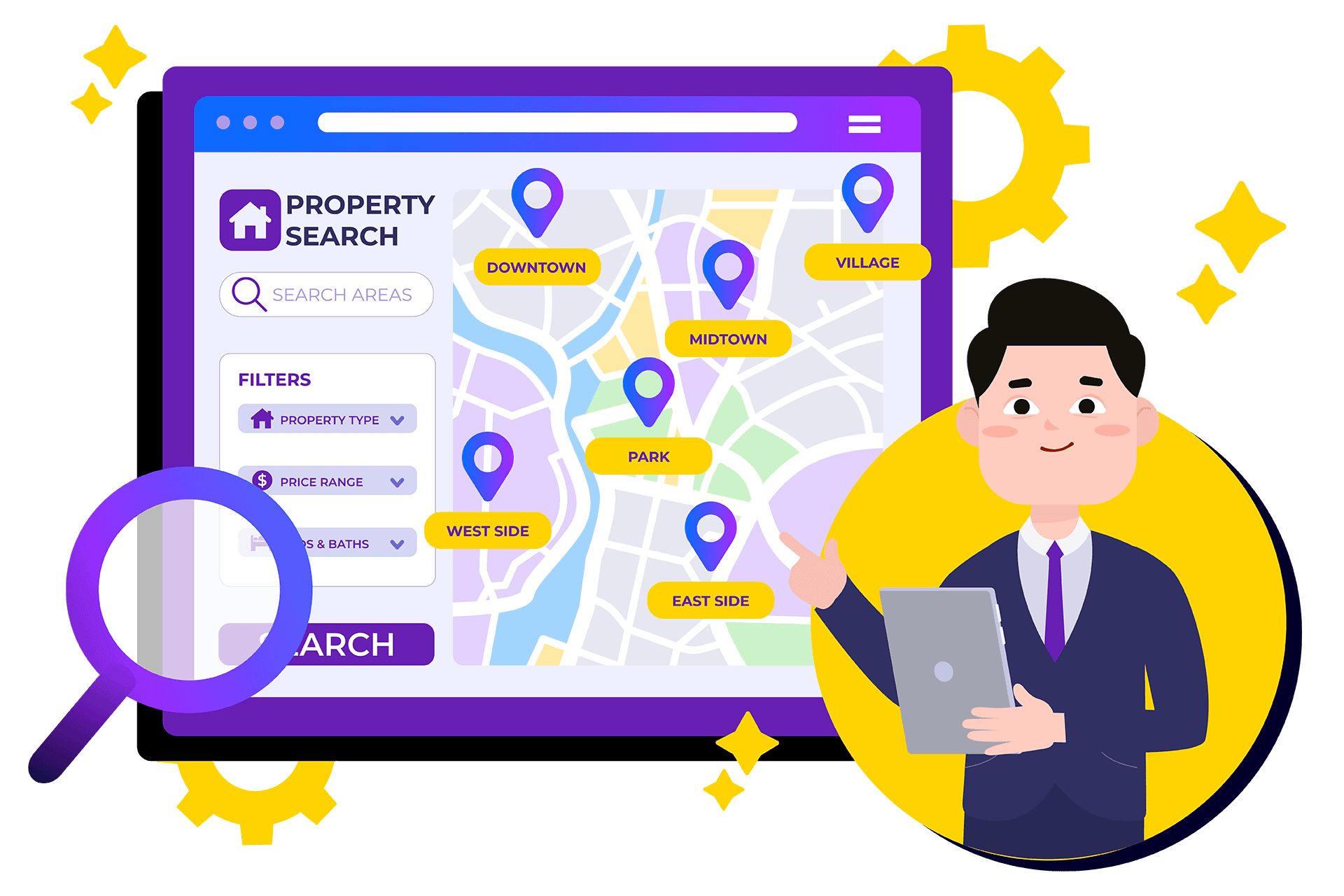
Why market-specific property search helps buyers find what feels familiar, relevant, and local.
Most agents and buyers casually call it “MLS search.”
That wording makes sense because the listings come from MLS data. But on an agent’s website, what visitors are really using is a property search experience powered by approved IDX access.
When that search reflects how people actually think about neighborhoods, districts, lifestyle features, and local market language, it feels easier, more useful, and more familiar.
That is why local context matters.
A strong property search experience does more than display listings. It helps buyers understand where they are, what they are looking at, and how different areas connect to the way they want to live.
MLS Search, IDX, and the Website Experience
In everyday conversation, “MLS search” is common shorthand for browsing listings online.
That everyday wording makes sense, but there is a helpful distinction behind the scenes.
The MLS, or Multiple Listing Service, is the database where listing data lives. It is the source.
IDX, or Internet Data Exchange, is the approved method that allows MLS listing data to appear on an agent’s website.
What buyers actually interact with is the website experience built on top of that data.
That experience matters because property search is not just about which listings appear. It is also about how listings are organized, filtered, labeled, and presented.
A search experience that matches local buyer behavior can make the entire website feel more useful.
Where Standard Search Can Feel Limited
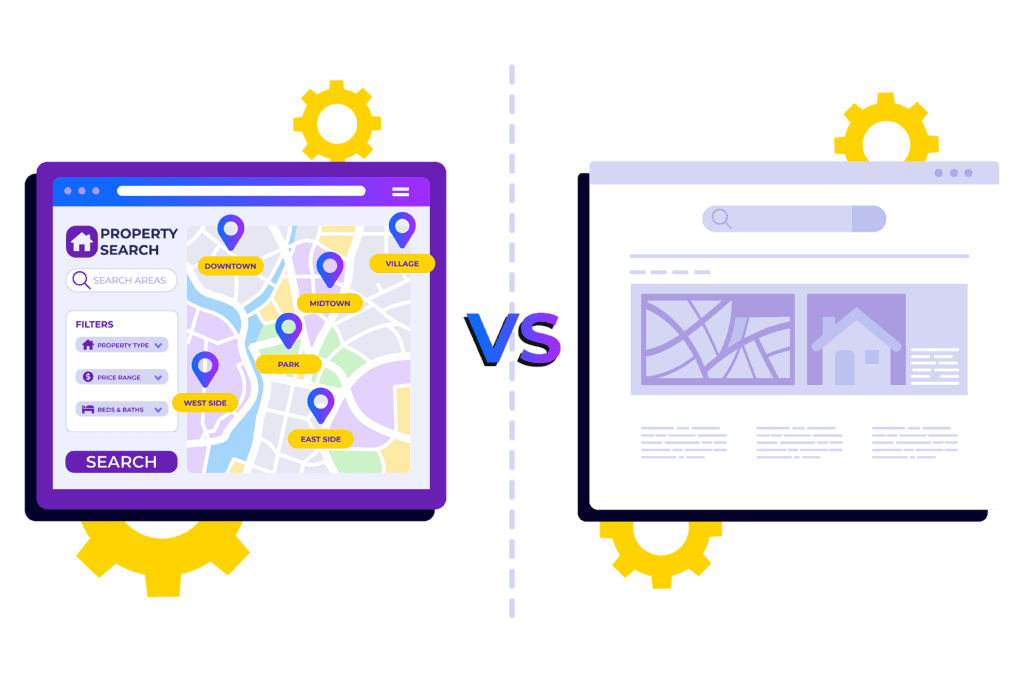
Many property search tools are built for simplicity and scale.
That can be helpful, especially for agents who need a basic search experience quickly. Standard search tools often include familiar elements like:
- Broad filters
- General location options
- Standard layouts
- Common property categories
For some agents and markets, that may be enough. If it works for your audience, that is great.
But in markets with strong local identity, buyers may benefit from a search experience that goes a step further.
Buyers do not always think in zip codes or city boundaries. In some places, they think in terms of neighborhoods, districts, regions, condo communities, coastline, school areas, or lifestyle-driven locations.
That is especially true in markets where local language carries meaning.
For example, a buyer may not be thinking, “Show me everything in this zip code.” They may be thinking, “I want to be near this beach,” “I like this district,” or “I want a condo in this specific community.”
When property search reflects that kind of thinking, the experience feels more natural.
How Buyers Actually Think About Location
Buyers rarely start with an “MLS mindset.”
They usually start with a picture of where they want to be.
That might include:
- A specific neighborhood name
- A district or local area
- A favorite community
- A lifestyle preference
- A property feature tied to location
- A familiar local term they have heard from friends, family, or an agent
This is how people naturally understand place.
They may search based on how an area feels, how close it is to work or recreation, whether it fits their daily routine, or whether it matches the lifestyle they are imagining.
A property search experience that reflects those patterns can help buyers feel oriented instead of overwhelmed.
That does not mean every website needs dozens of search pages or complicated filters. It simply means the search should feel connected to the market it serves.
Why Local Language Builds Confidence
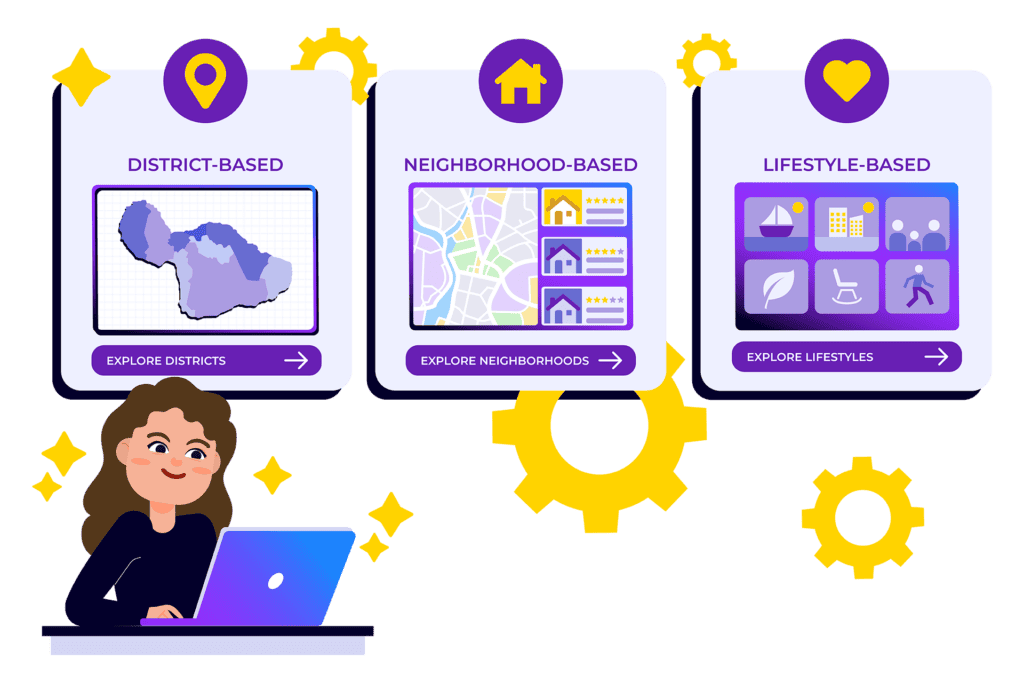
When search labels and filters match the language buyers use, the experience feels familiar.
Buyers recognize the terms. They understand the areas. They feel more confident exploring listings.
That confidence matters.
A buyer who understands the search experience is more likely to keep browsing, compare options, and return to the site later. A buyer who feels lost may leave, even if the right listings are technically available.
Local alignment is not just a design detail.
It helps the website feel more trustworthy.
When your search experience reflects your market, it quietly shows buyers that your site was built with their real search behavior in mind.
How Rabbit IDX Supports Local-First Property Search
Rabbit IDX helps agents create property search experiences that reflect real markets, not just default templates.
Agents can build focused local market pages that guide buyers toward the areas, property types, and lifestyle features they care about most.
Instead of relying only on broad search defaults, Rabbit IDX gives agents flexibility to shape the search experience around their MLS data and their local market.
This can include:
- Flexible search fields based on available MLS data
- Market-specific display options
- Local fields such as districts or land tenure, where available
- Focused search pages for neighborhoods, property types, or lifestyle searches
- Property search experiences that feel more connected to how buyers actually browse
The goal is simple: make search feel natural for the market it serves.
For agents who want to see how this flexibility works, Rabbit IDX features explain the tools available for building a more customized property search experience.
You can also explore Rabbit IDX examples to see how focused search pages can support different markets, property types, and buyer needs.
Hawaii Is a Strong Example
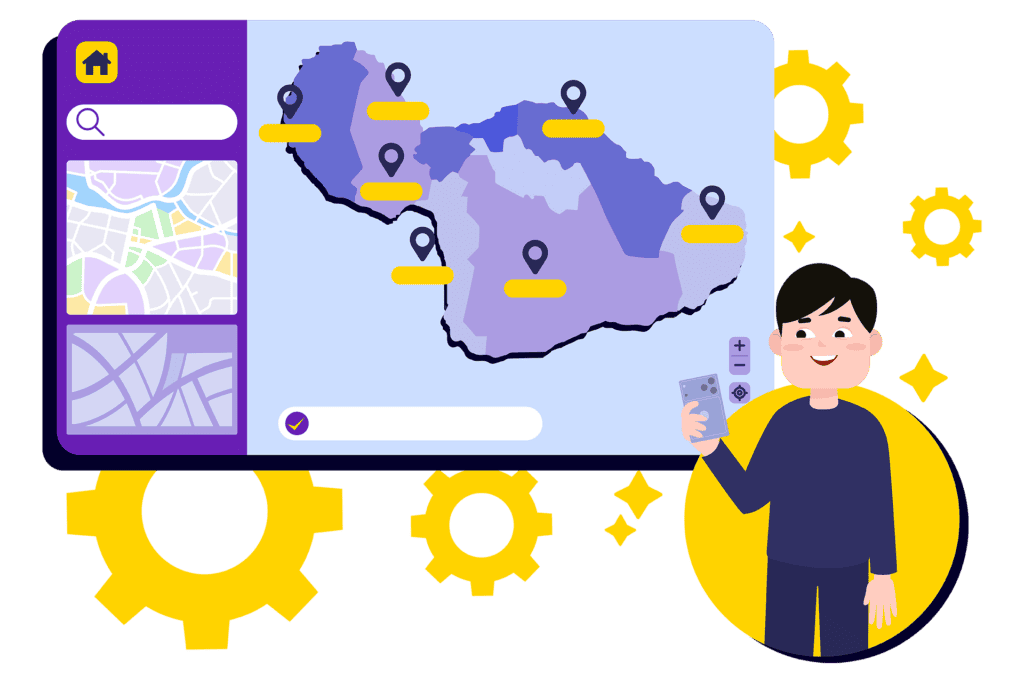
Hawaii is a clear example of why local-first property search matters.
In Maui and Oahu, buyers often think in terms of:
- Districts instead of zip codes
- Land tenure, such as fee simple or leasehold
- Recognizable neighborhood names
- Condo communities
- Ocean view, beachfront, or lifestyle-based searches
- Local property types and market-specific details
A broad search setup can still display listings, but it may not always reflect how buyers naturally understand the market.
That is why Rabbit IDX supports Hawaii-specific search needs where the MLS provides that data.
For example, fields like Maui districts or land tenure can help buyers sort through listings in a way that feels more relevant to the local market.
This is not limited to Hawaii.
Any market with strong neighborhood identity, local shorthand, lifestyle-driven search behavior, or unique MLS fields can benefit from a property search experience that feels more local.
Standard Search and Local-First Search
Standard search can be a helpful foundation. It gives buyers access to listings, filters, and broad location options.
Local-first search builds on that foundation by organizing the experience around how buyers understand a specific market.
Standard search may include:
- Broad filters
- Familiar layouts
- General location options
- A simple starting point for browsing
Local-first search may include:
- Market-specific language
- Familiar neighborhood or district pathways
- Filters that reflect buyer intent
- Search pages built around local behavior
- Display fields that match what buyers need to understand
Both approaches can have a place.
Rabbit IDX focuses on local-first flexibility because agents often know their markets in ways a default template cannot fully capture.
That local knowledge is valuable. Your website should be able to reflect it.
What This Means for Agents
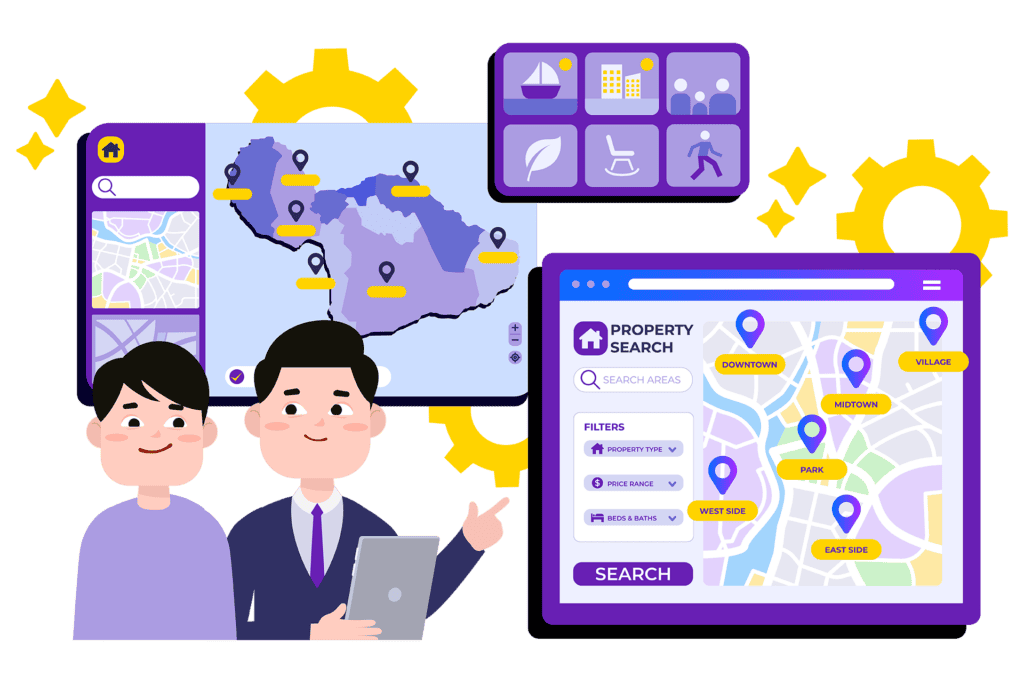
A local-first property search experience can help your website feel more useful, more intuitive, and more aligned with your market.
It gives buyers a clearer path into the listings they care about most.
It also helps your website reflect the way you already talk about your market with clients.
If you regularly explain districts, neighborhoods, condo communities, lifestyle areas, or local property details, those same ideas can often become part of your website’s search experience.
That is where focused local market pages can be especially helpful.
Rabbit IDX allows agents to create search pages around real buyer behavior, including specific communities, property types, or lifestyle features.
For more ideas, this Rabbit IDX Learning Center article explains how agents can showcase local expertise with focused market pages.
Keep It Simple: What Buyers Care About Most
Buyers do not usually think about IDX terminology, MLS structure, or website technology.
They care about whether the search feels easy, relevant, and familiar.
They want to find listings that match how they understand the market.
That might mean searching by district in Maui, land tenure in Hawaii, condo community in a resort market, or lifestyle features in a neighborhood-driven city.
Rabbit IDX helps agents build customizable property search experiences that better reflect how buyers search in real markets.
The technology works quietly in the background.
The buyer gets a search experience that feels local, useful, and easier to trust.
Written by the Rabbit IDX Learning Team — helping agents build property search experiences that feel more local, more useful, and more aligned with how buyers actually search.
Frequently Asked Questions
Can I create pages for neighborhoods, condo complexes, or property types?
Absolutely. You can build dedicated pages for specific areas, communities, or property types using saved criteria, giving clients a direct path to the listings they’re most interested in.
Does Rabbit IDX include land tenure information?
Yes. Rabbit IDX displays land tenure whenever your MLS provides that data, including Fee Simple and Leasehold. Because tenure is especially important in Hawaii markets, we’ve built tenure-specific filters directly into the search so buyers can browse the property types that matter most to them.
Can I create lifestyle-based search pages (ocean view, beachfront, golf course, etc.)?
Yes. Rabbit IDX supports lifestyle-focused search pages whenever your MLS provides the relevant fields.
You can create pages based on common buyer interests—like ocean view, beachfront, golf course frontage, or homes with a pool—so visitors can jump straight into the lifestyles and features they’re searching for in your market.